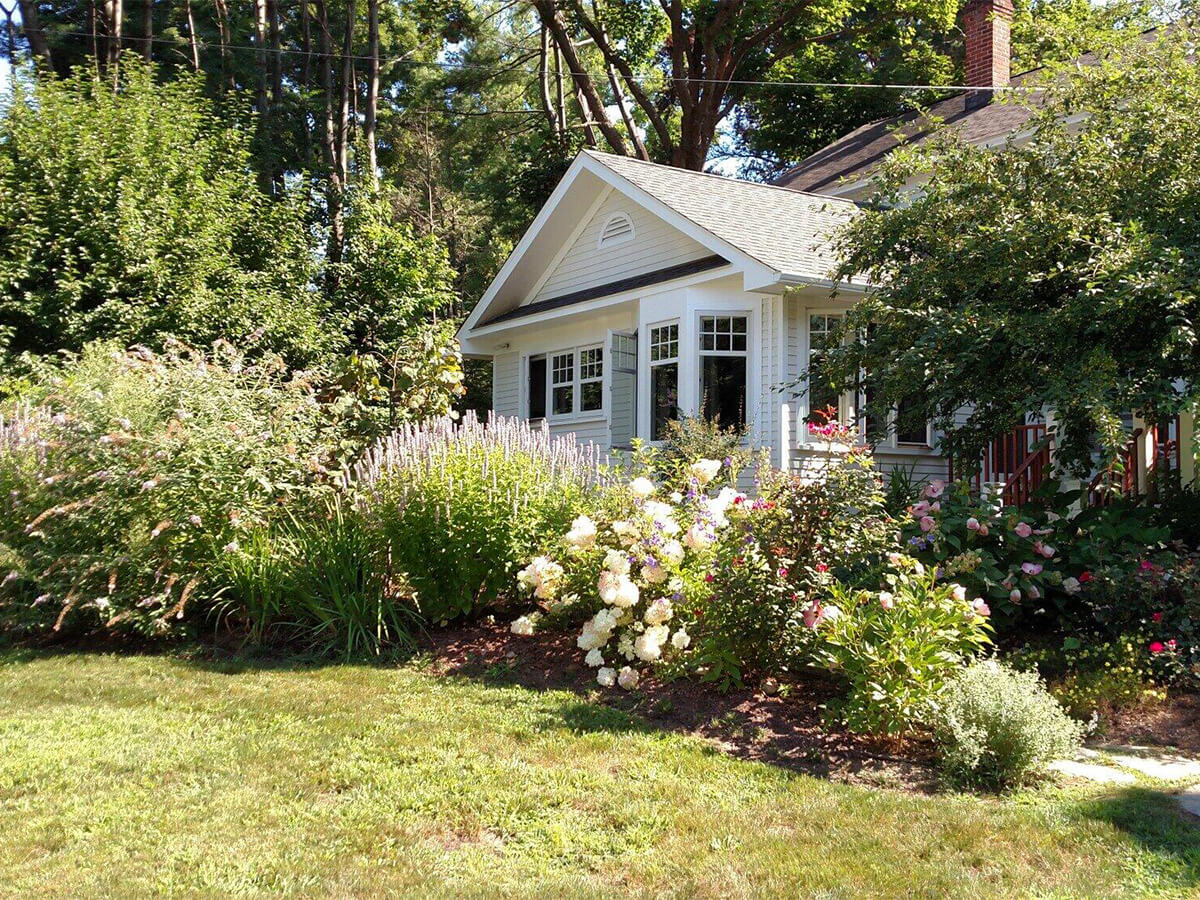
Did you know that the U.S. has more than 660,000 landscaping businesses, according to the National Association of Landscape Professionals? A well-maintained outdoor space not only enhances your property’s curb appeal but also contributes to its overall value.
Today, we’re taking a closer look into 12 compelling landscaping upgrade signs that indicate it’s time for landscape renovation!
1. Overgrown or Dying Plants
A thriving landscape should have healthy plants that complement the space.
When plants grow too close together, they compete for sunlight, water, and nutrients. This weakens them, making them more susceptible to disease and pests. Pruning can help for a while, but an overhaul is often the best solution.
Over time, soil loses its nutrients. If plants that once thrived now seem weak despite regular care, the soil may no longer support healthy growth. Refreshing the soil and rethinking plant choices can improve the landscape.
Even well-maintained plants have a lifespan. Shrubs, perennials, and even trees decline after years of growth. When plants start looking worn or no longer produce flowers or leaves as they once did, replacing them with fresh greenery can restore the space.
2. Poor Drainage and Water Issues
A healthy yard should be able to handle rain without flooding or erosion. If water pools in certain areas or soil washes away after a storm, it’s a sign that the landscape isn’t functioning as it should.
If the ground slopes the wrong way, water won’t drain properly. Low spots can turn into puddles, creating muddy areas that make the space unusable. Adjusting the slope can direct water away from problem spots.
When soil is too dense, water can’t soak in. Instead, it sits on the surface or runs off too quickly. Aerating the soil or adding organic matter can improve absorption and prevent pooling.
Old drainage systems can clog or fail. If there aren’t proper channels for water to escape, it can flood pathways or seep into structures. Adding drains, gravel beds, or dry creek beds can help control excess water.
3. Outdated or Deteriorating Hardscaping
Hardscaping plays a major role in the look and function of an outdoor space. But broken steps, uneven pathways, and failing retaining walls create tripping hazards. Repairing or replacing damaged materials improves both stability and appearance.
Over time, wood, concrete, and stone lose their color and texture. Outdated designs can make a yard look neglected. Choosing modern, durable materials can give the space a fresh look.
A patio that’s too small or a pathway that doesn’t connect key areas makes outdoor spaces less functional. Expanding or rearranging these features can make the landscape more inviting and practical.
A landscape renovation can replace old hardscaping with high-quality materials suited to modern needs.
4. High Maintenance Demands
A well-designed landscape should not require constant upkeep. If your yard needs frequent mowing, pruning, or watering, it may be time for a professional garden makeover.
Some plants demand constant trimming, watering, or pest control. Replacing them with drought-tolerant or native plants can reduce maintenance while keeping the yard attractive.
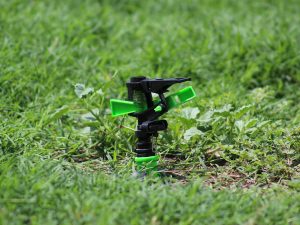
Inefficient irrigation wastes water. Older sprinkler systems or poorly placed irrigation lines can lead to overwatering and high water bills. Upgrading to a modern, water-efficient system can improve plant health and reduce costs.
Large lawns can be difficult to maintain, especially in dry climates. Replacing some turf with gravel, mulch, or low-growing ground cover can cut down on mowing and watering needs.
5. Lack of Functional Outdoor Spaces
An outdoor space should serve a purpose beyond just being a yard. A yard should offer places to sit, whether it’s a patio, deck, or garden bench.
Without these, the space may go unused. Adding a dedicated seating area can make it more welcoming.
Pathways should connect key areas without obstacles. If walkways are missing or placed poorly, people may have to step through grass or uneven ground to move around. A better layout can improve access.
A space that’s too exposed to the sun or wind may not be comfortable for long periods. Features like pergolas, trees, or awnings can provide relief and make the yard more inviting year-round.
6. Poor Curb Appeal
The front yard is one of the first things people notice about a home. If the landscaping looks dull, overgrown, or outdated, it can make the entire property seem neglected.
Plants that are struggling or out of control can take away from the overall design. Replacing them with fresh greenery can bring new life to the space.
If garden beds, pathways, or decorative elements feel cluttered or misplaced, they can create an unappealing look. A new design can bring better structure and flow.
Outdoor lighting highlights key features and improves safety. Path lights, uplighting, and accent lights can make the home more inviting after dark.
7. Mismatched or Cluttered Design
A well-designed landscape should feel balanced and intentional. If a yard has too many different styles, plants, or hardscape materials, it can feel cluttered or disorganized.
Too many different materials create visual chaos. Mixing too many types of stone, wood, or concrete can make a yard feel unorganized. Sticking to a limited palette of materials can create a more unified look.
Plants that don’t complement each other can disrupt the design. A mix of different plant heights, colors, and growth patterns can make a space feel random. Choosing plants that work well together can improve the overall appearance.
Randomly placed features can make the yard feel crowded
Unplanned patios, garden beds, or water features can take up too much space and limit movement. Rearranging or removing elements can improve flow and functionality.
8. Limited Privacy or Security Concerns
A fence can provide a clear boundary, but if it’s too short, worn down, or has gaps, it won’t offer much privacy. Replacing or reinforcing it can improve both security and aesthetics.
Sparse or poorly placed greenery doesn’t create a natural barrier
Hedges, trees, and shrubs can block unwanted views while adding beauty. Choosing dense, fast-growing plants can provide a more secluded space.
A dark yard can invite unwanted visitors and make it harder to see pathways. Adding motion-sensor or decorative lighting can make the space feel safer while improving curb appeal.
9. Fading Grass and Soil Erosion
A healthy lawn should be lush and full. If grass is thinning, turning brown, or struggling to grow, it may be time for a landscape renovation. Bare patches can make a yard look neglected, while weak grass can struggle to recover from weather changes or foot traffic.
Soil depletion makes it harder for grass to grow. Over time, soil loses nutrients, making it difficult for plants to thrive. Adding fresh soil or fertilizers can help restore growth.
Drainage issues can lead to erosion. Heavy rain can wash away soil, leaving exposed roots and uneven terrain. Fixing drainage problems can prevent further loss and keep the yard stable.
Also, grass varieties may not be suited to the climate. Some grass types need more water or care than others. Replacing them with a more resilient variety can improve the lawn’s appearance and durability.
10. Energy Inefficiency
Without trees or tall plants to block direct sunlight, a home can heat up quickly. Planting shade trees near windows or patios can reduce indoor temperatures and lessen the need for air conditioning.
Poor wind protection allows heat loss. Cold winds can make heating systems work harder in winter. Windbreaks, like hedges or fences, can shield a home and lower heating expenses.
Large areas of concrete or stone absorb and reflect heat, making outdoor and indoor spaces hotter. Using grass, mulch, or lighter-colored materials can help keep temperatures lower.
11. Invasive Plant or Pest Issues
If invasive species or pests have taken over, a landscape renovation may be the best way to restore balance. Invasive plants spread quickly, choking out desirable species and making upkeep difficult.
Pests, such as grubs, aphids, or termites, can damage plants and structures, leading to long-term problems. Ignoring these issues can make a yard harder to manage and less enjoyable.
Some landscapes become overrun with weeds that compete for nutrients and water, leaving other plants struggling.
Others suffer from pest infestations that weaken trees, shrubs, and flowers. If these problems continue despite treatments, replacing affected plants with pest-resistant varieties may help.
12. You Plan to Sell Your Home
A well-maintained landscape can make a strong first impression on potential buyers. If a yard looks neglected, outdated, or difficult to maintain, it may lower a home’s appeal.
A fresh landscape design overhaul can help attract buyers by creating a more inviting and polished look. Simple updates like new plants, fresh mulch, and modern hardscaping can make a property stand out.
Buyers often look for outdoor spaces that are both beautiful and functional. A cluttered or unbalanced layout can make a yard seem smaller or less usable.
Landscape Renovation
A landscape renovation can improve curb appeal, increase property value, and create a more functional outdoor space.
At Arbeen Landscaping, we’ve been passionate about landscaping since high school, starting with lawn care and later working with home builders on model and foreclosed homes. Our team focuses on quality, reliability, and detailed maintenance programs, ensuring every project adds lasting value to your property.
Get in touch today to find out how we can help with your landscaping needs!